


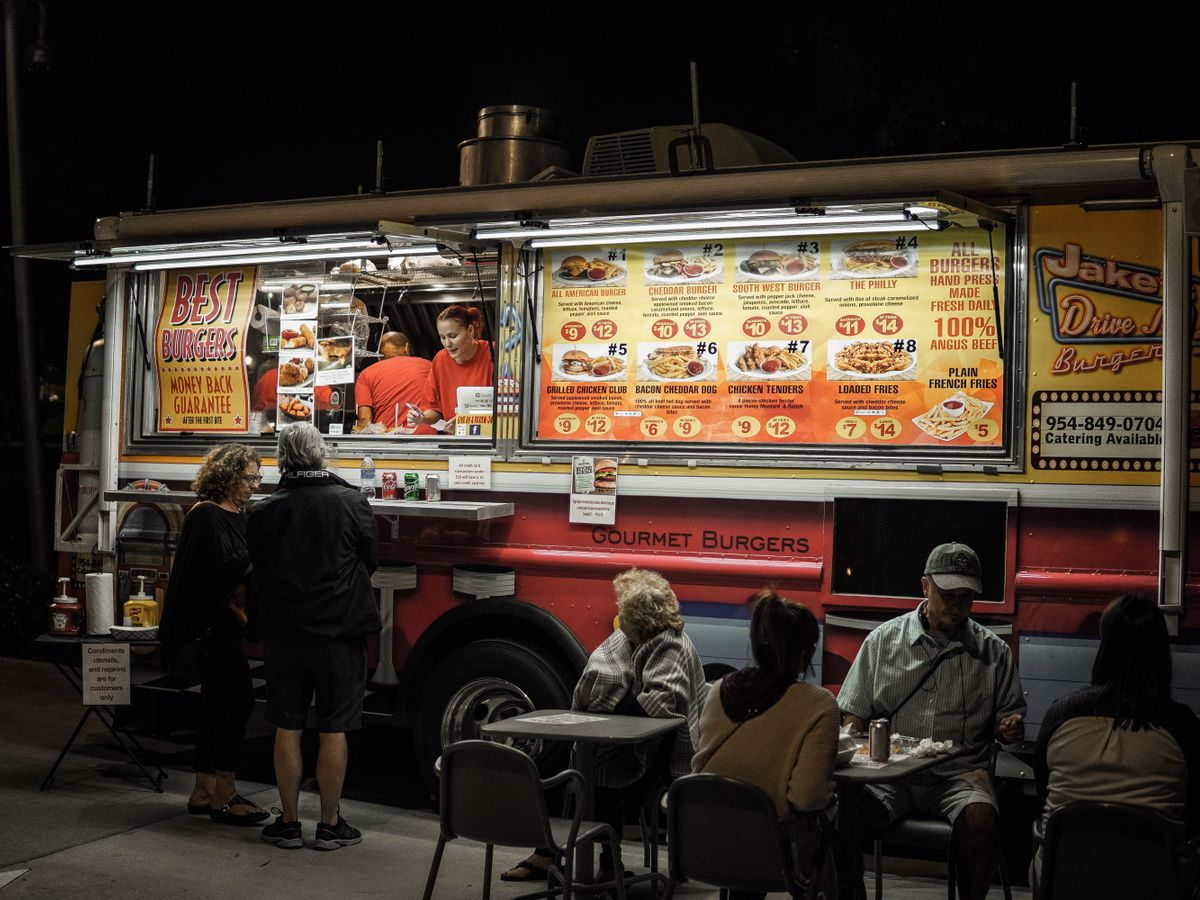
Running a successful food truck is not just about serving great food. Customers need to know where you will be, when you will be there, and why they should stop by this week instead of waiting for the next event. Unlike a traditional restaurant, your location changes regularly, so staying visible requires consistent communication.
That is why marketing plays such an important role in growing a food truck business. Whether you are parked outside a local brewery, serving lunch at an office park, attending a community festival, or setting up at a weekend market, your content should make it easy for customers to find you and give them a reason to visit. The businesses that stay top of mind are usually the ones that communicate clearly, post consistently, and make every event part of a larger marketing system.
Food truck marketing works when customers can quickly understand where you are, what is worth showing up for, and why this stop matters now.
Make Your Weekly Schedule Easy to Find
Your weekly schedule is one of the most valuable pieces of content you can share. Customers should not have to search through old posts or visit multiple websites to figure out where you are serving. Make it a habit to post your schedule on the same day every week so followers know exactly when to look for it.
Each schedule should include the date, address, serving hours, and any special events or menu items that make each stop unique. Using the same design and branding every week also helps customers recognize your posts as they scroll through their feeds. A simple, clean graphic is often more effective than a crowded design with too much information.
Do not stop with social media. Pin your weekly schedule to the top of your Facebook page, keep it visible on Instagram when possible, and update your Google Business Profile or website whenever your schedule changes. The easier it is to find accurate information, the more likely customers are to make the trip.
For example, a seafood food truck might post its weekly schedule every Sunday evening. The graphic lists each location, serving hours, and a featured special for the day. Regular customers know exactly when to check for updates, making it easy to plan lunch breaks or weekend visits.
At Sterling Media, we have found that schedule posts are not just for attracting new customers. They are one of the main ways loyal followers decide whether your truck is nearby. Consistent location updates help turn interest into actual visits.
Use Short Videos to Build Excitement Before Every Stop
A schedule tells people where you will be, but video gives them a reason to show up. Short videos are one of the easiest ways to build excitement before an event because they quickly capture the sights, sounds, and energy that still photos sometimes miss.
Simple clips work well. Film tacos being assembled, burgers coming off the grill, fresh ingredients being prepared, or customers picking up their orders. You can also introduce team members, highlight customer favorites, or give a quick preview of the next event on your calendar. These videos do not need to be heavily produced. Authentic, well-lit footage often performs better because it feels genuine.
Keep each video short and focused. A 15 to 30-second Reel is usually enough to showcase a signature dish while reminding viewers where and when they can find your truck. Imagine you are heading to a Friday night food truck rally. Earlier that afternoon, you post a quick Reel showing fresh fish tacos being assembled, ending with the event location, serving hours, and a simple invitation to stop by. Customers now have both the practical information they need and a visual reminder of why they should visit.
People do not just want directions. They want something that makes them hungry enough to make the drive.
Turn Every Event Into Future Marketing Content
Every event gives you an opportunity to create content that lasts long after the serving window ends. Instead of thinking about each appearance as a one-day promotion, treat it as a chance to build a library of photos and videos you can use for weeks. Capture customers enjoying their meals, busy serving lines, close-up shots of popular menu items, and behind-the-scenes moments as your team prepares food. These authentic images help future customers picture themselves visiting your truck and create a stronger connection than stock-style promotional photos ever could.
After the event, share a recap that highlights the best moments. Thank customers for stopping by, recognize event organizers or local partners, and include a few standout photos or video clips from the day. This not only keeps your social media active but also reinforces your presence within the community. For example, after a successful weekend festival, a food truck could post a recap Reel featuring customers enjoying meals, team members working during the lunch rush, and scenes from around the event. The post ends with a thank-you message and a reminder of where the truck will be serving next.
One event should not produce just one post. A single afternoon of filming can provide enough content for multiple Reels, photo posts, stories, and future promotions.
Create Location-Based Content That Reaches Local Customers
Food truck marketing works best when it feels connected to the community you are serving. Every location has its own audience, and your content should reflect that by mentioning local businesses, neighborhoods, events, and landmarks whenever they are relevant. Use location tags on every social media post and mention nearby attractions in your captions. If you are serving outside a brewery, tag the brewery and reference any live music or special event happening that evening. If you are participating in a community festival, highlight the event and encourage followers to explore everything happening nearby.
Partnering with local businesses and event organizers can also expand your reach. When both businesses share content featuring each other, your truck becomes visible to an audience that may not have discovered you otherwise. A food truck parked outside a brewery, for example, might create a post highlighting the brewery's live music, mention a nearby park where families gather before the event, and showcase its featured menu item for the evening. That local context makes the post feel more useful and relevant than simply announcing an address.
Local context turns a basic location update into content that feels useful, timely, and connected to what people are already planning to do.
People searching for things to do nearby are far more likely to notice content that speaks directly to the places they are already planning to visit.
Balance Schedule Posts With Content That Builds Demand
Your weekly schedule is essential, but it should not be the only thing people see on your social media pages. A feed filled with nothing but location updates can become repetitive, even for loyal followers. Mix your schedule posts with menu highlights, behind-the-scenes kitchen preparation, customer testimonials, seasonal specials, and stories about your business. Show what makes your food different and let customers get to know the people behind the truck. That combination keeps your content interesting while reinforcing your brand.
Limited-time menu items also create urgency. Whether it is a weekend-only combo, a seasonal dessert, or a special recipe that is only available at certain events, these promotions give customers another reason to stop by sooner rather than later. For example, instead of posting only next week's schedule, a food truck might share its best-selling lobster roll, a customer's five-star review, behind-the-scenes footage of fresh ingredients being prepared, and a weekend-only combo meal available at two upcoming locations. The schedule tells people where to go, while the additional content gives them a reason to make the trip. The most effective food truck marketing combines awareness, trust, and timely offers that encourage customers to visit while your truck is nearby.
Final Thoughts
Successful food truck marketing is about much more than announcing your next stop. Customers need clear location updates, but they also want engaging content that reminds them why your food is worth seeking out. By posting your weekly schedule consistently, creating short videos before every event, capturing content during each appearance, and sharing location-focused updates, you make it easier for people to find your truck and stay connected with your brand. Adding menu highlights, customer experiences, and behind-the-scenes moments keeps your content fresh even when your schedule changes every week.
When customers always know where you will be and have a steady stream of reasons to visit, your marketing keeps working long after each event is over.
Ready to Keep Your Food Truck Top of Mind?
If you want a marketing system that keeps customers following your food truck wherever you go, Sterling Media can help. We create strategic content, event coverage, and location-based social media that keeps your schedule visible, showcases your food, and helps turn every stop into an opportunity to grow your business.