
hero image

AI-Assisted Content

Why Your Restaurant Menu Photos Aren't Making Customers Hungry

Sterling Media Team

Sterling Media Team

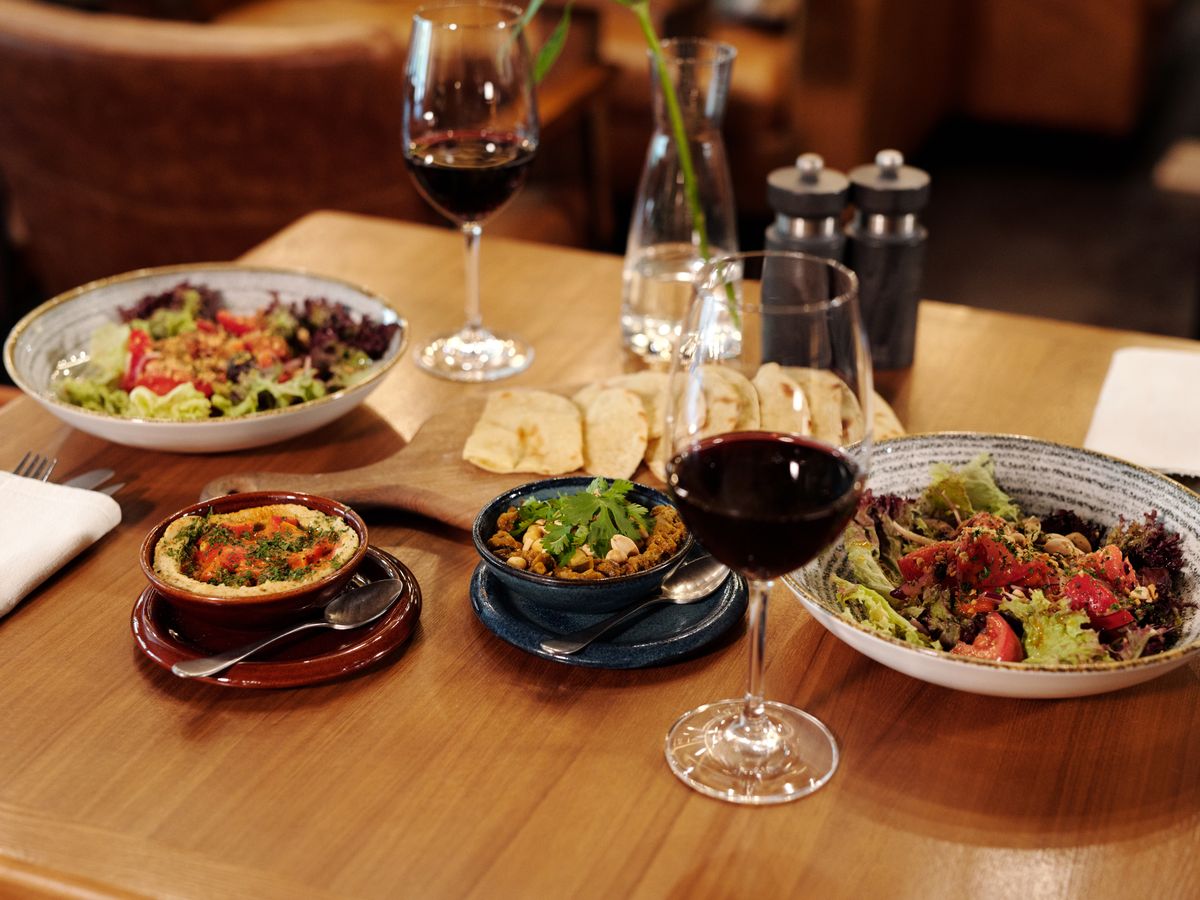
Your food may taste incredible, but if your menu photos do not make people crave that first bite, you are losing opportunities before customers ever place an order. Whether someone is scrolling through DoorDash, browsing your website, checking your Google Business Profile, or flipping through a printed menu, your photos often make the first impression. If those images do not capture the quality of your food, many customers will not stick around long enough to read the description.

The good news is that great menu photography is not about making food look fake or overly polished. It is about making it look as good as it does in real life. Most restaurants do not need to completely reshoot every menu item to improve their photos. With thoughtful editing, AI-assisted enhancements, and careful human retouching, existing images can often be transformed into stronger marketing assets that help customers feel excited to order.

Customers experience the food with their eyes before they ever experience it with their taste buds.

Why Good Food Often Looks Bad in Photos

One of the biggest frustrations for restaurant owners is seeing a delicious meal look disappointing in a photo. The problem usually is not the food itself. It is the way it is photographed.

Poor lighting can make fresh ingredients appear dull and lifeless. Inconsistent camera angles create a menu that feels unorganized, while busy backgrounds pull attention away from the dish you are trying to sell. Even vibrant ingredients can lose their appeal when colors appear flat or washed out.

Imagine a freshly grilled steak coming out of the kitchen. In person, it is juicy, perfectly seared, and full of texture. A quick overhead phone photo under harsh lighting, however, can make that same steak look gray, flat, and far less appetizing than it actually is. The meal has not changed, only the way it is presented.

At Sterling Media, we always remind restaurants that menu photos should create appetite while accurately representing the meal guests will receive. The goal is not to manufacture a version of the dish that never appears in the restaurant. It is to help customers see the quality that is already there.

Small Presentation Mistakes Can Hurt Appetite Appeal

Photography is not the only factor that affects how customers perceive your food. Small presentation details can make a surprising difference in whether a dish feels inviting or forgettable. Messy plating, oversized garnishes, uneven portions, or sauce splashes around the edge of a plate all compete for attention. Instead of noticing the main dish, customers become distracted by details that make the presentation feel rushed or inconsistent.

Consider a pasta dish that is prepared with fresh ingredients and great flavor. If the plate has sauce dripped around the rim, the garnish looks wilted, and the serving is not neatly arranged, the meal immediately loses some of its appeal. Those small details may seem insignificant in the kitchen, but they become much more noticeable in a close-up photo.

The goal is not creating unrealistic perfection. It is presenting each dish in a way that feels clean, fresh, and recognizable. Customers should immediately understand what they are ordering and feel confident that the meal will look just as good when it arrives.

Why AI Alone Is Not Enough for Restaurant Menu Photos

Artificial intelligence has become a valuable tool for improving restaurant photography. It can brighten images, clean backgrounds, enhance composition, and speed up editing in ways that save restaurants both time and money. The challenge is that AI does not always know what your food is supposed to look like. It may smooth textures too much, alter ingredients, exaggerate colors, or introduce details that do not exist in the real dish. While the result may appear visually impressive, it can also create unrealistic expectations.

For example, AI might improve the lighting on a taco photo and remove distracting elements from the background. At the same time, it may accidentally change the texture of the tortilla or make the vegetables appear unnaturally vibrant. Without someone reviewing the final image, those changes could leave customers wondering why the food they ordered looks different from the photo.

AI works best when it is treated as an assistant, not the final decision-maker.

Restaurants build trust by accurately representing their food, and human review is what keeps every image aligned with reality. AI can move the process faster, but it still needs a person with taste, restraint, and context to protect the final result.

How AI and Human Retouching Work Together

The strongest restaurant photography combines technology with experienced editing. AI speeds up repetitive tasks, while human retouching ensures every detail still looks natural and consistent. AI can quickly correct basic lighting issues, improve color balance, clean up backgrounds, and organize large batches of images. Once those tasks are complete, Photoshop allows designers to refine textures, adjust shadows, improve sharpness, and remove distractions without changing the actual appearance of the food.

That final review is especially important when updating an entire menu. Customers should see a consistent style across every dish, whether they are browsing your website, ordering through a delivery app, or scrolling through Instagram. For example, a restaurant updating its menu photography might use AI-assisted editing to brighten every image and remove distracting backgrounds. A designer then manually retouches each photo, refining colors, balancing lighting, and making sure every entree still looks like the food served in the restaurant. The process is faster than editing everything by hand, but the final images remain authentic and trustworthy.

Technology should accelerate the editing process, but human judgment is what protects quality, appetite appeal, and customer confidence.

What Great Restaurant Menu Photos Actually Accomplish

Professional menu photography does much more than make food look attractive. It helps customers make faster decisions by showing them exactly what they are ordering. High-quality images also increase the perceived value of your food. When every photo is consistent, well-lit, and true to the actual meal, customers naturally feel more confident about choosing your restaurant over another option.

Those same images can be used far beyond your printed menu. Strong food photography becomes a valuable marketing asset across your website, Instagram, Facebook, Google Business Profile, online ordering platforms, delivery apps, email campaigns, and digital advertising. Instead of creating different visuals for every platform, you build one consistent visual identity that customers recognize wherever they discover your restaurant.

Imagine a restaurant using the same professionally edited menu photos across its printed menus, website, Instagram feed, DoorDash listings, and Google Business Profile. Every customer sees the same polished, realistic images regardless of where they first encounter the business. That consistency strengthens the brand while making ordering feel more familiar and trustworthy. Great food photography is not simply about making dishes look beautiful. Every image should support a business goal by helping customers feel confident, informed, and excited to order.

Final Thoughts

Most restaurant menu photos do not fall short because the food is not good. They fall short because poor lighting, inconsistent presentation, distracting backgrounds, and weak editing prevent customers from seeing the quality that is already there. By combining thoughtful photography with AI-assisted enhancements and careful human retouching, restaurants can create menu images that accurately represent their food while making every dish look its absolute best. The result is not unrealistic perfection. It is honest, appetizing photography that helps customers order with confidence.

The best menu photos do not oversell the food. They make the real dish easier to trust, understand, and crave.

Ready to Upgrade Your Menu Photos?

If you want menu photos that make customers excited to order, Sterling Media can help. We combine AI-assisted editing with professional human retouching to create realistic, high-quality food photography that strengthens your menus, website, social media, and online ordering platforms while staying true to the meals you serve every day.

Your food may taste incredible, but if your menu photos do not make people crave that first bite, you are losing opportunities before customers ever place an order. Whether someone is scrolling through DoorDash, browsing your website, checking your Google Business Profile, or flipping through a printed menu, your photos often make the first impression. If those images do not capture the quality of your food, many customers will not stick around long enough to read the description.

The good news is that great menu photography is not about making food look fake or overly polished. It is about making it look as good as it does in real life. Most restaurants do not need to completely reshoot every menu item to improve their photos. With thoughtful editing, AI-assisted enhancements, and careful human retouching, existing images can often be transformed into stronger marketing assets that help customers feel excited to order.

Customers experience the food with their eyes before they ever experience it with their taste buds.

Why Good Food Often Looks Bad in Photos

One of the biggest frustrations for restaurant owners is seeing a delicious meal look disappointing in a photo. The problem usually is not the food itself. It is the way it is photographed.

Poor lighting can make fresh ingredients appear dull and lifeless. Inconsistent camera angles create a menu that feels unorganized, while busy backgrounds pull attention away from the dish you are trying to sell. Even vibrant ingredients can lose their appeal when colors appear flat or washed out.

Imagine a freshly grilled steak coming out of the kitchen. In person, it is juicy, perfectly seared, and full of texture. A quick overhead phone photo under harsh lighting, however, can make that same steak look gray, flat, and far less appetizing than it actually is. The meal has not changed, only the way it is presented.

At Sterling Media, we always remind restaurants that menu photos should create appetite while accurately representing the meal guests will receive. The goal is not to manufacture a version of the dish that never appears in the restaurant. It is to help customers see the quality that is already there.

Small Presentation Mistakes Can Hurt Appetite Appeal

Photography is not the only factor that affects how customers perceive your food. Small presentation details can make a surprising difference in whether a dish feels inviting or forgettable. Messy plating, oversized garnishes, uneven portions, or sauce splashes around the edge of a plate all compete for attention. Instead of noticing the main dish, customers become distracted by details that make the presentation feel rushed or inconsistent.

Consider a pasta dish that is prepared with fresh ingredients and great flavor. If the plate has sauce dripped around the rim, the garnish looks wilted, and the serving is not neatly arranged, the meal immediately loses some of its appeal. Those small details may seem insignificant in the kitchen, but they become much more noticeable in a close-up photo.

The goal is not creating unrealistic perfection. It is presenting each dish in a way that feels clean, fresh, and recognizable. Customers should immediately understand what they are ordering and feel confident that the meal will look just as good when it arrives.

Why AI Alone Is Not Enough for Restaurant Menu Photos

Artificial intelligence has become a valuable tool for improving restaurant photography. It can brighten images, clean backgrounds, enhance composition, and speed up editing in ways that save restaurants both time and money. The challenge is that AI does not always know what your food is supposed to look like. It may smooth textures too much, alter ingredients, exaggerate colors, or introduce details that do not exist in the real dish. While the result may appear visually impressive, it can also create unrealistic expectations.

For example, AI might improve the lighting on a taco photo and remove distracting elements from the background. At the same time, it may accidentally change the texture of the tortilla or make the vegetables appear unnaturally vibrant. Without someone reviewing the final image, those changes could leave customers wondering why the food they ordered looks different from the photo.

AI works best when it is treated as an assistant, not the final decision-maker.

Restaurants build trust by accurately representing their food, and human review is what keeps every image aligned with reality. AI can move the process faster, but it still needs a person with taste, restraint, and context to protect the final result.

How AI and Human Retouching Work Together

The strongest restaurant photography combines technology with experienced editing. AI speeds up repetitive tasks, while human retouching ensures every detail still looks natural and consistent. AI can quickly correct basic lighting issues, improve color balance, clean up backgrounds, and organize large batches of images. Once those tasks are complete, Photoshop allows designers to refine textures, adjust shadows, improve sharpness, and remove distractions without changing the actual appearance of the food.

That final review is especially important when updating an entire menu. Customers should see a consistent style across every dish, whether they are browsing your website, ordering through a delivery app, or scrolling through Instagram. For example, a restaurant updating its menu photography might use AI-assisted editing to brighten every image and remove distracting backgrounds. A designer then manually retouches each photo, refining colors, balancing lighting, and making sure every entree still looks like the food served in the restaurant. The process is faster than editing everything by hand, but the final images remain authentic and trustworthy.

Technology should accelerate the editing process, but human judgment is what protects quality, appetite appeal, and customer confidence.

What Great Restaurant Menu Photos Actually Accomplish

Professional menu photography does much more than make food look attractive. It helps customers make faster decisions by showing them exactly what they are ordering. High-quality images also increase the perceived value of your food. When every photo is consistent, well-lit, and true to the actual meal, customers naturally feel more confident about choosing your restaurant over another option.

Those same images can be used far beyond your printed menu. Strong food photography becomes a valuable marketing asset across your website, Instagram, Facebook, Google Business Profile, online ordering platforms, delivery apps, email campaigns, and digital advertising. Instead of creating different visuals for every platform, you build one consistent visual identity that customers recognize wherever they discover your restaurant.

Imagine a restaurant using the same professionally edited menu photos across its printed menus, website, Instagram feed, DoorDash listings, and Google Business Profile. Every customer sees the same polished, realistic images regardless of where they first encounter the business. That consistency strengthens the brand while making ordering feel more familiar and trustworthy. Great food photography is not simply about making dishes look beautiful. Every image should support a business goal by helping customers feel confident, informed, and excited to order.

Final Thoughts

Most restaurant menu photos do not fall short because the food is not good. They fall short because poor lighting, inconsistent presentation, distracting backgrounds, and weak editing prevent customers from seeing the quality that is already there. By combining thoughtful photography with AI-assisted enhancements and careful human retouching, restaurants can create menu images that accurately represent their food while making every dish look its absolute best. The result is not unrealistic perfection. It is honest, appetizing photography that helps customers order with confidence.

The best menu photos do not oversell the food. They make the real dish easier to trust, understand, and crave.

Ready to Upgrade Your Menu Photos?

If you want menu photos that make customers excited to order, Sterling Media can help. We combine AI-assisted editing with professional human retouching to create realistic, high-quality food photography that strengthens your menus, website, social media, and online ordering platforms while staying true to the meals you serve every day.

Ready to tighten your content system?

Book a strategy call or start with a content audit so your social media, AI workflows, and lead capture work as one operating system.